


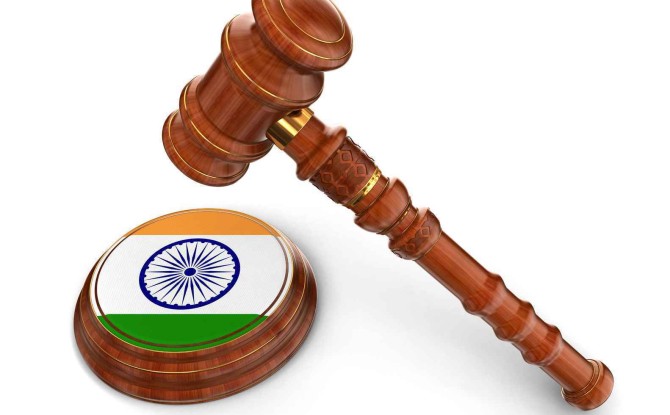
Indian Supreme Court to Reconsider Criminalization of Homosexuality
In 2013, the Indian Supreme Court shocked the nation and the world by re-criminalizing homosexuality.
Decades of progress, which had culminated in a 2009 ruling by a lower court to legalize same-sex activities, were swept away by the odd decision to reinstate a ban first imposed by British Colonial authorities in 1860. Tomorrow holds hope for change, however, as India’s supreme judicial body is set to decide whether or not to revisit the issue. Activists are hoping that the Indian Supreme Court, which is known for its progressive approach to civil rights and the rights of minority groups, will rectify what many have interpreted as a gross affront to human dignity in the world’s largest democracy.

Sadly, the legal challenge faced by LGBT people is not unique to India. While Britain has progressed immensely on LGBT issues in recent years—marriage equality is now legal in England, Scotland, Wales, and the Republic of Ireland—its legacy around the globe is far less positive. Of the 76 countries that still criminalize homosexuality, more than half of them do so because of laws imposed by the British Empire in the 19th century. Activists have repeatedly called upon Britain to pressure Commonwealth nations (former colonies) to overturn the archaic laws. At the opening ceremony for the 2014 Commonwealth Games, held in Glasgow just months after Scotland voted to legalize same-sex marriage, organizers included a same-sex kiss—something that was broadcast live to more than 1 billion people across the Commonwealth.